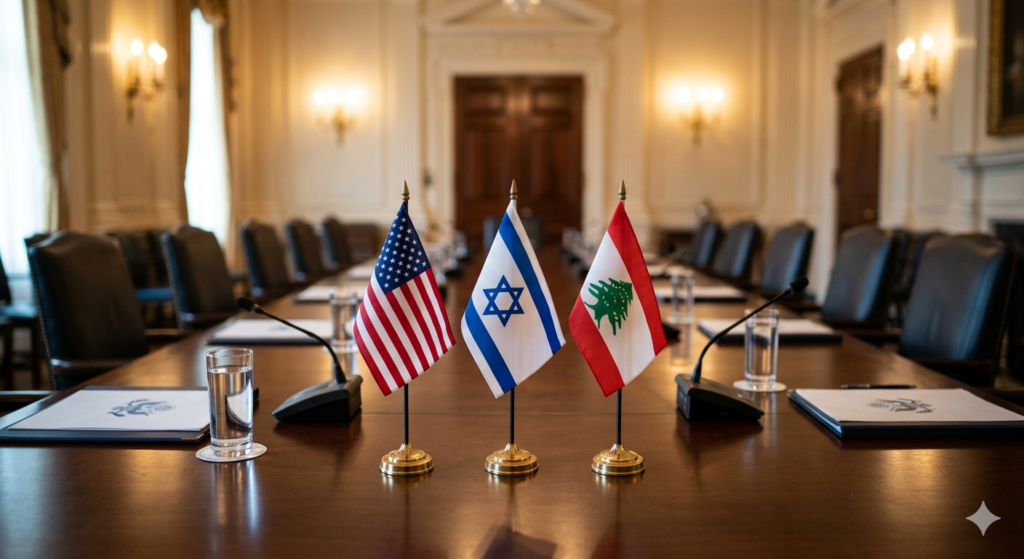
WASHINGTON, D.C. — In a landmark diplomatic development, Israel and Lebanon have agreed to launch direct negotiations following their first major high-level engagement in over 30 years. The trilateral talks, hosted by the United States in Washington on Tuesday, were described by the U.S. State Department as “productive” and signal a potential shift amid the ongoing regional conflict involving Israel, Hezbollah, and Iran.
U.S. Secretary of State Marco Rubio, who mediated the session, hailed the meeting as a “historic opportunity.” The talks brought together Israeli Ambassador to the U.S. Yechiel Leiter and Lebanese Ambassador to the U.S. Nada Hamadeh Moawad, marking the first direct diplomatic negotiations between the two nations since 1993.
“The participants held productive discussions on steps toward launching direct negotiations between Israel and Lebanon,” State Department spokesperson Tommy Pigott said in a statement released following the two-hour meeting. “All sides agreed to launch direct negotiations at a mutually agreed time and venue.”
Seeking a Framework for Lasting Peace
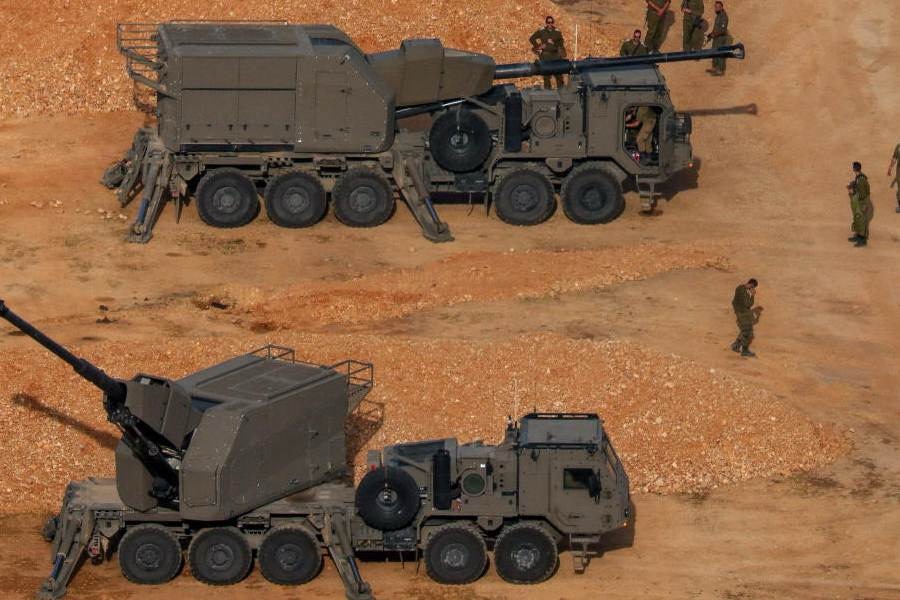
The diplomatic push arrives at a critical juncture. For over a month, fierce fighting has raged between Israel and the Iran-backed militant group Hezbollah. While a fragile two-week truce with Iran was recently negotiated following talks in Pakistan, fighting across the Israeli-Lebanese border had continued to escalate.
During the session, the U.S. expressed its hope that these new direct talks could exceed the scope of the previously stalled November 2024 ceasefire agreement and bring about a comprehensive peace deal.
Representatives from both Israel and Lebanon expressed cautious optimism, though their immediate priorities remain distinct:
• The Lebanese Stance: Ambassador Moawad described the discussions as “constructive.” During the meeting, she urgently called for a ceasefire, the return of displaced Lebanese citizens to their homes, and emphasized the necessity of restoring full state sovereignty over all Lebanese territory.
• The Israeli Stance: Ambassador Leiter praised the talks, calling the meeting a “wonderful exchange.” He noted that both countries discovered they were “on the same side” regarding the need to liberate Lebanon from Hezbollah’s influence. Israel formally expressed its commitment to engaging in direct talks to disarm non-state terror groups and dismantle militant infrastructure to ensure mutual security.
The U.S. State Department affirmed that any final agreement to cease hostilities must be reached directly between the two sovereign governments, brokered by the United States, and not connected to any other separate diplomatic tracks involving Iran. Furthermore, Washington underscored that successful negotiations could unlock significant economic recovery and reconstruction assistance for Lebanon.
While an official date and location for the next round of direct talks have not yet been announced, today’s historic convergence in Washington provides a glimmer of diplomatic hope in a region weary of war. Stay tuned to GCS Reports for ongoing coverage of this developing story.