TEHRAN / WASHINGTON – April 17, 2026: In a stunning diplomatic breakthrough, Iranian Foreign Minister Seyed Abbas Araghchi announced today that the Strait of Hormuz is now “completely open” for all commercial vessels. The decision comes as part of a fragile 10-day ceasefire between Israel and Hezbollah that officially took effect at midnight, signaling a potential de-escalation in the broader regional conflict.
The Announcement: A Window of Opportunity
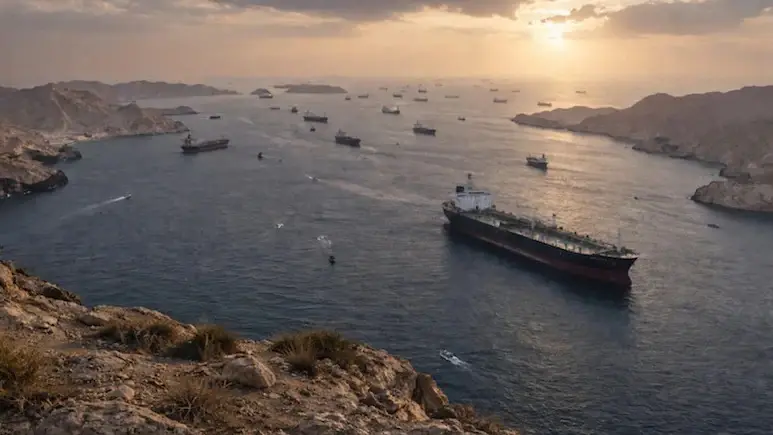
Taking to social media on Friday morning, Minister Araghchi confirmed that the vital shipping lane—through which 20% of the world’s oil and liquefied natural gas (LNG) passes—will remain accessible for the duration of the truce.
“In line with the ceasefire in Lebanon, the passage for all commercial vessels through the Strait of Hormuz is declared completely open for the remaining period of the ceasefire,” Araghchi stated.
However, the opening remains conditional. Iran’s Ports and Maritime Organization has designated specific “coordinated routes” that all vessels must follow. Furthermore, senior Iranian military officials clarified on state TV that while commercial traffic is permitted, the passage of military vessels remains strictly prohibited.
Market Reaction: Oil Prices Plunge
The news sent immediate shockwaves through global energy markets, which had been bracing for $110+ per barrel prices.
• Brent Crude: Dropped 6.84%, falling from nearly $100 on Thursday to approximately $92.60 within hours of the announcement.
• US WTI: Experienced a similar sell-off, dropping over 7%.
• Global Shipping: Insurance premiums for tankers in the Persian Gulf are expected to see a significant “cool-down” starting Monday, according to industry analysts.
The Trump Factor: “Strait of Iran is Open”
U.S. President Donald Trump was quick to claim credit for the reopening, celebrating the news on Truth Social. Using his own terminology, he posted: “IRAN HAS JUST ANNOUNCED THAT THE STRAIT OF IRAN IS FULLY OPEN AND READY FOR FULL PASSAGE. THANK YOU!”
Despite the celebratory tone, the White House confirmed that the U.S. military blockade of Iranian ports and Iranian-flagged vessels will remain in full force. Trump emphasized that “enough is enough” regarding regional hostilities but warned that the blockade would only be lifted once a final, comprehensive “peace deal” regarding Iran’s nuclear program is signed.
The Broader Context: A Regional “Deep Breath”
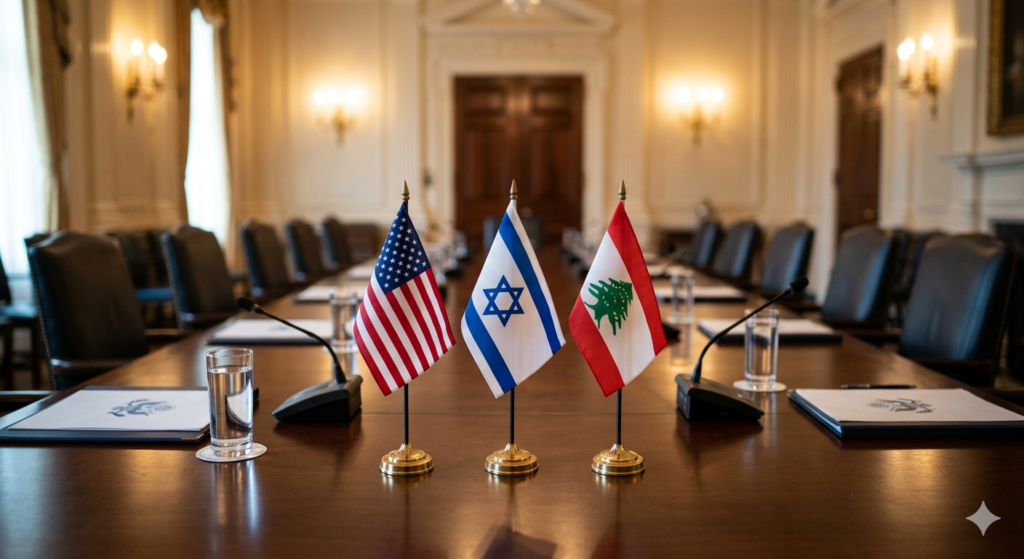
This reopening is inextricably linked to the 10-day Lebanon ceasefire brokered with U.S. and Pakistani mediation.
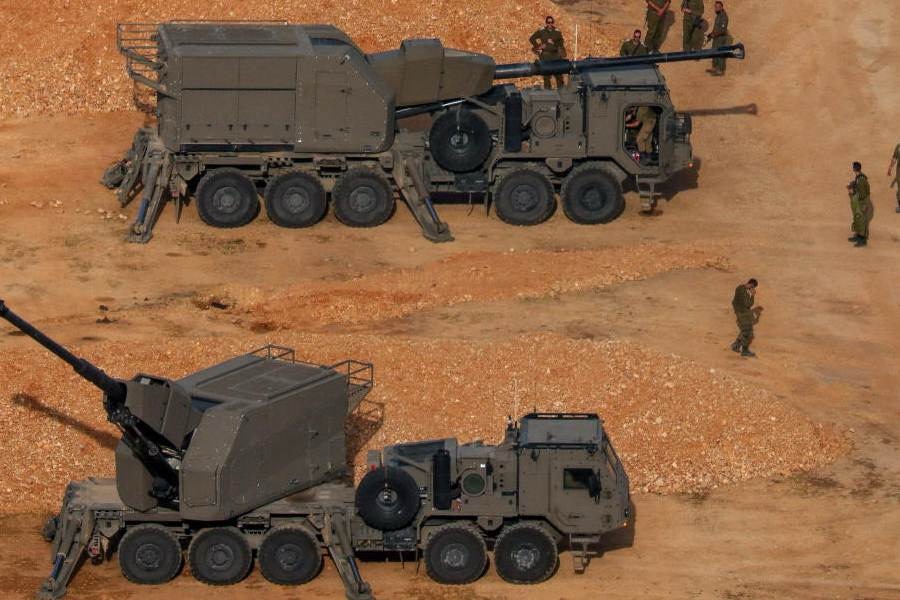
• The Terms: While hostilities have paused, Israeli Prime Minister Benjamin Netanyahu has stated that Israeli troops will remain in a “security zone” in southern Lebanon to prevent Hezbollah re-armament.
• Hezbollah’s Stance: The militant group has offered “tacit backing” for the truce but warned they remain with their “fingers on the trigger” should Israel violate the agreement.
Analysis: Why Now?
Experts suggest that Iran’s move is a strategic attempt to gain leverage in the upcoming high-level negotiations scheduled to take place in Washington later this month. By opening the Strait, Tehran is demonstrating its control over global energy security while simultaneously showing a willingness to engage in the “Trump-led” peace framework—provided sanctions relief is on the table.