WASHINGTON / ISLAMABAD — In a dramatic late-night pivot on Tuesday, April 21, 2026, President Donald Trump announced an indefinite extension of the U.S. ceasefire with Iran, narrowly averting a massive military escalation scheduled to begin Wednesday evening.
The President confirmed via Truth Social that the decision followed an urgent formal request from Pakistani Prime Minister Shehbaz Sharif and Army Chief Field Marshal Asim Munir, who are acting as primary mediators in the conflict.
The Extension: “A Request from Pakistan”
The original two-week truce was set to expire at 4:50 AM Pakistani time on Wednesday (Tuesday night in Washington). While Trump had spent much of Tuesday morning in interviews with CNBC and Bloomberg stating he was “raring to go” and expected to be “bombing” Iran if a deal wasn’t reached, he ultimately agreed to a suspension of military action.
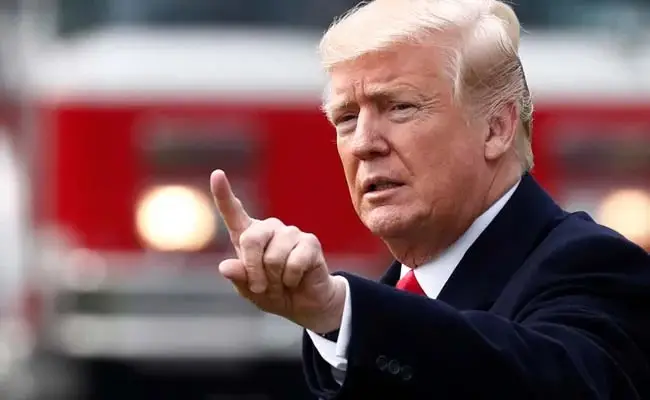
“Based on the fact that the Government of Iran is seriously fractured, and at the request of the leaders of Pakistan… I have instructed the U.S. Military to hold our Attack on the Country of Iran until such time as their leaders can come up with a unified proposal,” Trump posted.
The Blockade Remains
While the “bombing” phase of the conflict is on hold, the economic pressure is not. President Trump clarified that the U.S. naval blockade of the Strait of Hormuz—which has crippled Iranian trade since April 13—will remain in full effect.
U.S. forces will stay on high alert, and the blockade will continue to bar Iranian maritime traffic until “discussions are concluded, one way or the other.”
Tensions in Tehran and Islamabad
The atmosphere in both capitals remains thick with suspicion:
• Tehran’s Defiance: Iranian Foreign Ministry spokesman Esmaeil Baghaei dismissed the extension as a “ploy to buy time for a surprise strike.” He argued that the continuation of the blockade is itself a violation of international law and a form of “silent bombardment.”
• Negotiation Stalemate: Plans for a second round of face-to-face talks in Islamabad were thrown into chaos on Tuesday. Vice President J.D. Vance, who was slated to lead the U.S. delegation, put his travel on hold after Iranian officials signaled they would not return to the table under the “shadow of threats.”
• Internal Friction: Trump pointed to a “seriously fractured” Iranian leadership as the reason for the delay, claiming the regime is struggling to present a single, cohesive negotiating front.
Market Reaction
Global energy markets reacted instantly to the news. After spiking earlier in the day on fears of renewed strikes against Iranian power plants and bridges, oil prices saw a slight “relief dip” following the extension announcement. However, analysts warn that the continued blockade of the Strait of Hormuz will keep prices at a premium for the foreseeable future.
What Comes Next?
The “indefinite” nature of the extension puts the ball in Tehran’s court. Pakistani mediators are working around the clock at the Serena Hotel in Islamabad to convince the Iranian delegation to rejoin talks. For now, the U.S. military remains “ready and able,” waiting for a “unified proposal” that the White House deems acceptable.